

















오직 울쎄라/써마지만 매진하는
리프팅 중점 진료 브이앤엠제이 입니다.
울쎄라 · 써마지 특화 진료
ULTHERA
울쎄라 월평균 30만샷(800명 이상) 시술 돌파
ABM · KOL 학술 리더 의료진
THERMAGE
써마지 월평균 20만샷(400명 이상) 시술 돌파
전 의료진 TTT Master 수료 · MTL 의료진
 전화상담
02-540-8300
전화상담
02-540-8300
 오시는길
서울시 강남구 도산대로 303
오시는길
서울시 강남구 도산대로 303


How Real-Time Imaging and Vector Design Reduce Burn and Nerve Risk in Combined Ultherapy and Thermage Treatment
A practical guide to the safety mechanisms — not just marketing claims — behind combined Ultherapy and Thermage FLX treatment in Seoul, compiled by V&MJ Dermatology.


How Real-Time Imaging and Custom Vector Design Actually Reduce Burn and Nerve Risk
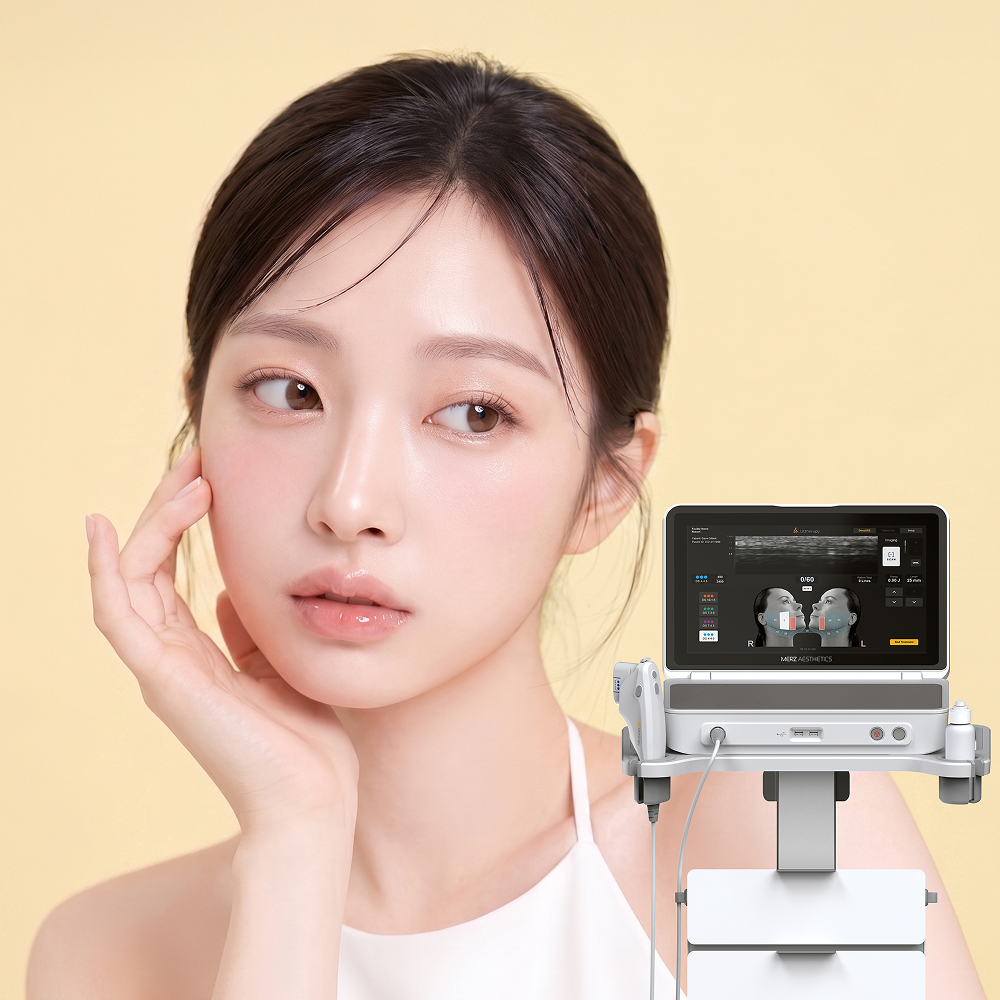
To put it plainly upfront: the risk of a facial burn or nerve-related side effect from Ultherapy or Thermage FLX is generally understood to come down to two things — whether the physician can actually see what's beneath the skin before applying energy, and whether the treatment plan is customized to the individual patient's facial anatomy rather than applied as a fixed, one-size-fits-all pattern. Ultherapy's real-time ultrasound imaging lets the treating physician visualize the layers of skin, fat, and the SMAS — the fibrous layer targeted for lifting — directly on screen before each pulse, which is what allows a trained physician to avoid firing directly over bone, avoid known nerve pathways such as the marginal mandibular nerve along the jawline, and adjust depth in areas where fat loss would be a concern rather than a benefit. Thermage FLX relies on a different safety mechanism — a temperature-monitoring contact tip paired with skin cooling — designed to keep radiofrequency energy within a controlled range and reduce the chance of a surface burn, though this still depends heavily on the physician adjusting energy level and pass count to the patient's skin thickness and treatment area.
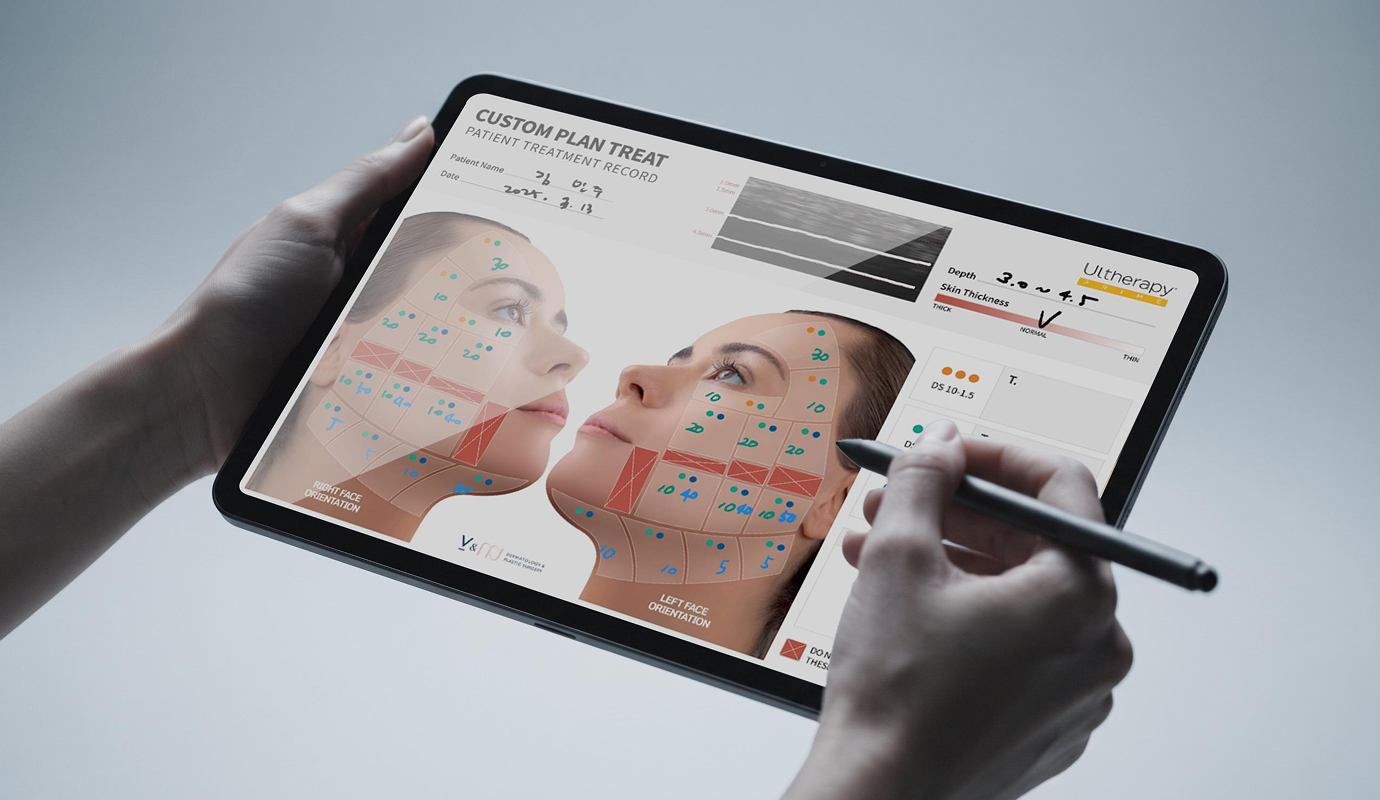
This is why custom vector design for combined Ultherapy and Thermage treatment matters as much as the devices themselves: a generic treatment map applied to every patient doesn't account for individual differences in fat pad thickness, bone prominence, or where a patient's own nerve branches happen to run closest to the surface. A board-certified dermatologist in Seoul following a genuinely individualized, safe protocol will typically explain — before treatment, not after a side effect occurs — which areas of the face are being mapped differently and why, rather than presenting a standard pattern as if it applies identically to everyone.
Last updated: September 1, 2026
Why Burns and Nerve-Related Side Effects Happen, and How They're Generally Prevented
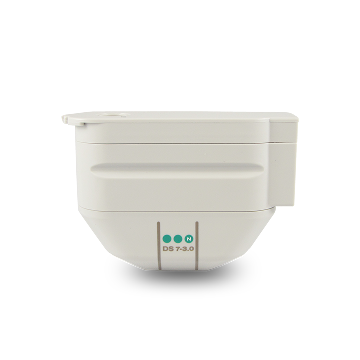
A surface burn from an energy-based device is generally understood to result from too much heat concentrating in one place — either because the device's own temperature feedback wasn't accurate, the skin wasn't adequately cooled, or the same area was passed over more times than the skin could safely tolerate. With Thermage FLX specifically, consistent contact between the treatment tip and the skin is generally considered important, since inconsistent contact can create uneven energy delivery and localized hot spots; a treatment tip's built-in cooling and temperature sensing is designed to reduce this risk, but ultimately depends on correct technique and appropriate energy settings for the patient's skin type.
Nerve-related symptoms after Ultherapy — most often discussed in connection with the marginal mandibular nerve along the jawline or the temporal branch of the facial nerve near the temple — are generally understood to relate to energy being delivered too close to where these nerve branches run near the surface, or too deep in areas where bone sits directly beneath a thin layer of tissue. This is specifically what real-time ultrasound visualization is designed to address: rather than treating blind based on external landmarks alone, the physician can see the actual tissue plane in front of the transducer and adjust treatment depth, or skip an area entirely, if the anatomy doesn't look safe to treat at the planned setting. Most such symptoms, when they do occur, are understood to be temporary, but avoiding them in the first place depends heavily on this imaging step not being skipped or rushed.
What a Safety-Focused Consultation and Treatment Actually Involves
Anatomical mapping before any energy is applied
The physician reviews facial anatomy and marks treatment zones, identifying areas near bone or known nerve pathways that require adjusted depth or reduced energy.
Real-time imaging confirms tissue depth during treatment
Each treatment area is visualized on-screen immediately before the corresponding Ultherapy pass, confirming the SMAS or targeted tissue layer rather than relying on external landmarks alone.
Energy and cooling adjusted per area for Thermage
Thermage FLX energy level and pass count are adjusted by treatment area and skin thickness, with skin cooling monitored throughout rather than one setting applied uniformly across the face.
Four Safety Questions to Ask Before a Combined Ultherapy and Thermage Session
- Ask whether real-time ultrasound imaging is used for every passConfirm that the physician is visualizing tissue layers on screen throughout treatment, not only at the start, since depth and anatomy can vary across different areas of the same face.
- Ask how the treatment map is customized to your faceA physician who can point to specific areas where your vector design differs from a standard pattern — and explain why — is demonstrating individualized planning rather than a fixed protocol.
- Ask about energy settings near the jawline and templeThese are the areas most often discussed in connection with nerve-related symptoms, so it's reasonable to ask specifically how energy and depth are adjusted when treating near them.
- Confirm skin cooling and temperature monitoring for ThermageAsk how the clinic manages skin cooling during Thermage FLX passes and how many passes are planned for your skin type, since this is directly tied to burn risk.
Common Misunderstandings About Energy Settings and Safety
Real-Time Imaging and Individualized Vector Mapping at V&MJ Dermatology
V&MJ Dermatology in Gangnam builds combined Ultherapy and Thermage FLX treatment plans around real-time ultrasound visualization and individualized vector mapping as standard practice, rather than a fixed template applied to every patient. Genuine Ultherapy tip usage — tracked directly by Merz rather than self-reported — has passed 1,300 tips as of 2025, which is relevant here because tip condition and calibration are part of what keeps the device's imaging and energy delivery accurate and predictable.
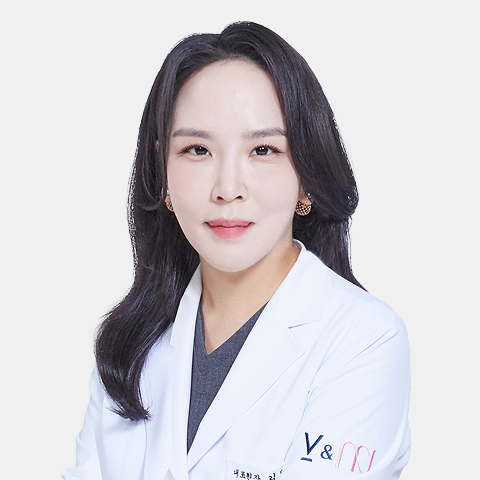
Dr. Kim Min-joo, V&MJ's Medical Director, holds Ultherapy Global Advisory Board Member (ABM) status, a role that specifically involves working with Merz on clinical protocol and safety standards rather than only performing the treatment. Physicians across the eight-person team also hold Ultherapy Consensus Panel membership and Thermage TTT (Train-the-Trainer) Faculty status, both of which involve ongoing engagement with manufacturer-level technique and safety guidance beyond standard certification.
For patients specifically concerned about burn or nerve-related risk in a combined treatment session, V&MJ Dermatology — located at Dosan-daero 303 in Gangnam-gu, Seoul — discusses vector design and energy settings by treatment area directly during consultation, including in English, so the safety questions above can be answered before treatment begins rather than after.
A Note on Individualized Mapping From the Medical Director
Every patient's bone structure and nerve pathways sit slightly differently under the skin, which is exactly why we don't treat from a fixed map. We look at the ultrasound image for that specific area, on that specific patient, before every pass — if something doesn't look like a safe depth to treat, we adjust or skip it, not the other way around.
Frequently Asked Questions About Safe Combined Ultherapy and Thermage Treatment
What is the safest way to combine Ultherapy and Thermage without risking facial burns or nerve damage?
The two most important safety factors are real-time ultrasound imaging during Ultherapy — so the physician can see tissue depth before each pulse — and a treatment plan customized to your specific facial anatomy rather than a fixed pattern. V&MJ Dermatology in Gangnam builds combined sessions around both, with vector design and energy settings adjusted by treatment area and discussed directly with the patient during consultation.
What causes nerve-related symptoms after Ultherapy?
These are generally understood to relate to energy being delivered too close to a nerve pathway near the surface, such as along the jawline, or too deep near underlying bone; real-time imaging is specifically designed to help a physician avoid these situations by visualizing tissue depth before treating.
How does Thermage FLX reduce the risk of a skin burn?
Thermage FLX uses a temperature-monitoring contact tip along with skin cooling to help keep radiofrequency energy within a controlled range, though the physician's technique — consistent tip contact and appropriately adjusted energy and pass count — plays a significant role in actual burn risk.
What is vector design, and why does it matter for safety?
Vector design refers to the specific pattern and depth mapped out for treatment across the face; a design customized to an individual patient's fat pad thickness and bone structure, rather than a standard template, is generally considered safer than a one-size-fits-all approach.
Can combining Ultherapy and Thermage in one session increase the risk of side effects?
Combining the two is generally treated as a sequencing and technique question rather than something that inherently multiplies risk, since each device targets a different tissue layer; the more relevant factor is whether the physician adjusts technique for each individual treatment within the combined session.
Is facial fat loss a real risk with Ultherapy, and how is it prevented?
Excessive or repeated treatment at too deep a setting in fat-thin areas, such as the temples, is generally understood to carry more risk of noticeable fat loss; adjusting depth and energy by area, guided by real-time imaging, is the mechanism used to manage this.
Are burns or nerve-related symptoms usually permanent?
Most reported symptoms of this kind are understood to be temporary, but individual outcomes vary, and avoiding them in the first place through proper imaging and technique is preferable to relying on symptoms resolving afterward.
Does V&MJ Dermatology explain safety protocols to English-speaking patients before treatment?
Yes — vector design, treatment area planning, and energy settings are discussed directly during consultation, including in English, rather than only being explained if a patient specifically asks.
One Last Check Before Your Combined Treatment Session
Before a combined Ultherapy and Thermage session, it's worth asking specifically how your treatment map accounts for your own facial anatomy, and confirming that real-time imaging is used throughout — not only mentioned as a feature. At V&MJ Dermatology in Gangnam, this discussion happens directly during consultation, with energy settings and vector design explained by treatment area.
V&MJ Dermatology: Results You Can See
View Before & After Photos →Meet the
V&MJ Dermatology Team
Meet Our Medical Team →
Ultherapy Key Opinion Leader (KOL) / Faculty
Ultherapy Consensus Panel

Thermage TTT Faculty
Ultherapy Consensus Panel
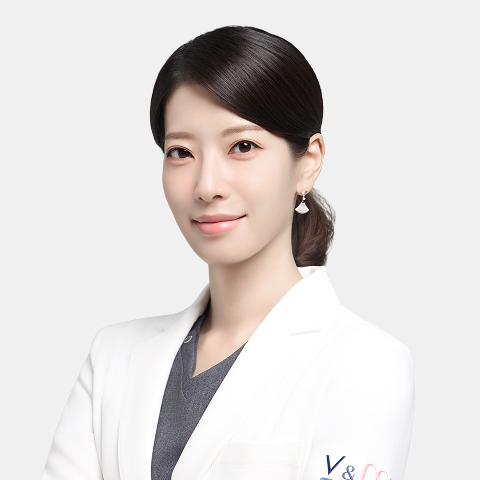
Thermage TTT Faculty

Thermage TTT Faculty
MD CODES Expert

Thermage TTT Faculty

Thermage TTT Faculty

Thermage TTT Faculty

[Medical Advertising Legal Notice] This page has been prepared in compliance with the medical advertising standards under Article 56 of Korea's Medical Service Act. Ultherapy and Thermage FLX, individually or combined, carry potential side effects that can include temporary redness, swelling, bruising, or discomfort, and in rare cases more noticeable effects such as a surface burn or temporary nerve-related sensation or weakness; individual risk varies based on skin condition, anatomy, and treatment settings. Statements regarding real-time imaging, vector design, and physician credentials reflect device features and information disclosed by the clinic and equipment manufacturers, and are not a guarantee that any procedure is entirely free of risk. Please discuss your specific anatomy, treatment plan, and potential side effects directly with a physician before booking.
[ View ]
<개인정보 취급방침>
V&MJ피부과의원(이하 '본원')는 귀하의 개인정보보호를 매우 중요시하며, 『개인정보보호법』을 준수하고 있습니다.
본원은 개인정보 취급방침을 통하여 귀하께서 제공하시는 개인정보가 어떠한 용도와 방식으로 이용되고 있으며 개인정보 보호를 위해 어떠한 조치가 취해지고 있는지 알려드립니다. 개인정보 취급방침의 순서는 다음과 같습니다.
1. 수집하는 개인정보의 항목 및 수집방법
2. 개인정보의 수집 및 이용목적
3. 개인정보의 보유 및 이용기간
4. 개인정보의 파기절차 및 그 방법
5. 개인정보 제공 및 공유
6. 수집한 개인정보의 취급위탁
7. 이용자 및 법정대리인의 권리와 그 행사방법
8. 동의철회 / 회원탈퇴 방법
9. 개인정보 자동 수집 장치의 설치/운영 및 그 거부에 관한 사항
10. 개인정보관리책임자
11. 개인정보의 안전성 확보조치
12. 정책 변경에 따른 공지의무
1. 수집하는 개인정보의 항목 및 수집방법
본원은 회원가입 시 서비스 이용을 위해 필요한 최소한의 개인정보만을 수집합니다.
귀하가 본원의 서비스를 이용하기 위해서는 회원가입 시 필수항목과 선택항목이 있는데, 메일수신여부 등과 같은 선택 항목은 입력하지 않더라도 서비스 이용에는 제한이 없습니다.
ㄱ. [진료정보] - 수집항목 : 성명, 생년월일, 주소, 연락처, 진료기록
※ 의료법에 의해 고유식별 정보 및 진료정보를 의무적으로 보유하여야 하여야 함(별도 동의 불필요)
ㄴ. [홈페이지 회원가입 시 수집항목]
- 필수항목 : 성명, 아이디, 비밀번호, 주소, 연락처(전화번호, 휴대폰번호), 메일주소
- 선택항목 : 생일, 문자 수신 여부, 메일 수신 여부, 관심분야
- 서비스 이용 과정이나 서비스 제공 업무 처리 과정에서 다음과 같은 정보들이 자동으로 생성되어 수집될 수 있습니다. : 서비스 이용기록, 접속 로그, 쿠키, 접속 IP 정보
ㄷ. [개인정보 수집방법] - 다음과 같은 방법으로 개인정보를 수집합니다.
・ 홈페이지, 서면양식, 팩스, 전화, 상담 게시판, 이메일
2. 개인정보의 수집 및 이용목적
본원은 수집한 개인정보를 다음의 목적을 위해 활용합니다.
이용자가 제공한 모든 정보는 하기 목적에 필요한 용도 이외로는 사용되지 않으며 이용 목적이 변경될 시에는 사전 동의를 구할 것입니다.
ㄱ. [진료정보] - 진단 및 치료를 위한 진료서비스와 청구, 수납 및 환급 등의 원무서비스 제공
ㄴ. [홈페이지 회원정보]
- 필수정보 : 홈페이지를 통한 진료 예약, 예약조회 및 회원제 서비스 제공, 온라인 게시판(1:1상담/비공개상담/수술 후 상담/후기 등) 게시물 작성
- 선택정보 : 이메일을 통한 병원소식, 질병정보 등의 안내, 설문조사, 장애처리 및 개별 회원에 대한 개인 맞춤서비스, 서비스 이용에 대한 통계수집, 기타, 새로운 서비스 및 정보 안내 단, 이용자의 기본적 인권침해의 우려가 있는 민감한 개인정보는 수집하지 않습니다.
본원은 상기 범위 내에서 보다 풍부한 서비스를 제공하기 위해 이용자의 자의에 의한 추가정보를 수집합니다.
3. 개인정보의 보유 및 이용기간
본원은 개인정보의 수집목적 또는 제공받은 목적이 달성된 때에는 귀하의 개인정보를 지체 없이 파기합니다.
ㄱ. [진료정보] - 의료법에 명시된 진료기록 보관 기준에 준하여 보관
ㄴ. [홈페이지 회원정보]
- 회원가입을 탈퇴하거나 회원에서 제명된 때 다만, 수집목적 또는 제공받은 목적이 달성된 경우에도 상법 등 법령의 규정에 의하여 보존할 필요성이 있는 경우에는 귀하의 개인정보를 보유할 수 있습니다.
- 소비자의 불만 또는 분쟁처리에 관한 기록 : 3년 (전자상거래 등에서의 소비자보호에 관한 법률)
- 신용정보의 수집/처리 및 이용 등에 관한 기록 : 3년 (신용정보의 이용 및 보호에 관한 법률)
– 본인 확인에 관한 기록 : 6개월 (정보통신망 이용촉진 및 정보보호 등에 관한 법률)
– 방문에 관한 기록 : 3개월 (통신비밀보호법)
4. 개인정보의 파기절차 및 그 방법
본원은 『개인정보의 수집 및 이용목적』이 달성된 후에는 즉시 파기합니다. 파기절차 및 방법은 다음과 같습니다.
ㄱ. [파기절차] 이용자가 회원가입 등을 위해 입력한 정보는 목적이 달성된 후 파기방법에 의하여 즉시 파기합니다.
ㄴ. [파기방법] 전자적 파일형태로 저장된 개인정보는 기록을 재생할 수 없는 기술적 방법을 사용하여 삭제합니다.
종이에 출력된 개인정보는 분쇄기로 분쇄하거나 소각하여 파기합니다.
5. 개인정보 제공 및 공유
본원은 귀하의 동의가 있거나 관련법령의 규정에 의한 경우를 제외하고는 어떠한 경우에도 『개인정보의 수집 및 이용목적』에서 고지한 범위를 넘어 귀하의 개인정보를 이용하거나 타인 또는 타 기업ㆍ기관에 제공하지 않습니다.
- 국민건강보험법에 의해 건강보험심사평가원에 요양급여비용 청구를 위한 진료기록 제출
- 통계작성ㆍ학술연구를 위하여 필요한 경우 특정 개인을 알아볼 수 없는 형태로 가공하여 제공
- 법령에 정해진 절차와 방법에 따라 수사기관의 요구가 있는 경우 제출 등
6. 수집한 개인정보의 취급위탁
본원은 서비스 이행을 위해 아래와 같이 개인정보를 위탁하고 있으며, 관계 법령에 따라 위탁계약 시 개인정보가 안전하게 관리될 수 있도록 필요한 사항을 규정하고 있습니다.
본원의 개인정보 위탁처리 기관 및 위탁업무 내용은 아래와 같습니다.
수탁업체 : 유어데브
위탁업무 내용 : 홈페이지 유지 관리, 접속기록, 관리, 회원관리
위탁 개인정보 항목 : 이름, 주소, 전화번호
개인정보 보유 및 이용기간: 위탁계약 종료 시까지
7. 이용자 및 법정대리인의 권리와 그 행사방법
만14세 미만 아동(이하 "아동"이라 함)의 회원가입은 아동이 이해하기 쉬운 평이한 표현으로 작성된 별도의 양식을 통해 이루어지고 있으며 개인정보 수집 시 반드시 법정대리인의 동의를 구하고 있습니다.
본원은 법정대리인의 동의를 받기 위하여 아동으로부터 법정대리인의 성명과 연락처 등 최소한의 정보를 수집하고 있으며, 개인정보취급방침에서 규정하고 있는 방법에 따라 법정대리인의 동의를 받고 있습니다.
아동의 법정대리인은 아동의 개인정보에 대한 열람, 정정 및 삭제를 요청할 수 있습니다. 아동의 개인정보를 열람•정정, 삭제하고자 할 경우에는 회원정보수정을 클릭하여 법정대리인 확인 절차를 거치신 후 아동의 개인정보를 법정대리인이 직접 열람•정정, 삭제하거나, 개인정보보호책임자로 서면, 전화, 또는 Fax등으로 연락하시면 필요한 조치를 취합니다.
본원은 아동에 관한 정보를 제3자에게 제공하거나 공유하지 않으며, 아동으로부터 수집한 개인정보에 대하여 법정대리인이 오류의 정정을 요구하는 경우 그 오류를 정정할 때까지 해당 개인정보의 이용 및 제공을 금지합니다.
※ 법에 의해 보관이 의무화된 개인정보는 요청이 있더라도 보관기간내에 수정•삭제할 수 없습니다.
8. 동의철회 / 회원탈퇴 방법
귀하는 회원가입 시 개인정보의 수집ㆍ이용 및 제공에 대해 동의하신 내용을 언제든지 철회하실 수 있습니다. 회원탈퇴는 본원 홈페이지 마이페이지의 『회원탈퇴』를 클릭하여 직접 회원탈퇴를 신청하시면 개인정보관리책임자가 탈퇴신청을 확인하여 신청일 기준 10일이내 탈퇴가 완료됩니다. 또는 개인정보관리책임자로 서면, 전화 또는 Fax 등으로 연락하시면 지체 없이 귀하의 개인정보를 파기하는 등 필요한 조치를 하겠습니다.
9. 개인정보 자동 수집 장치의 설치/운영 및 그 거부에 관한 사항
본원은 귀하의 정보를 수시로 저장하고 찾아내는 '쿠키(cookie)'를 운용합니다. 쿠키란 본원의 웹사이트를 운영하는데 이용되는 서버가 귀하의 브라우저에 보내는 아주 작은 텍스트 파일로서 귀하의 컴퓨터 하드디스크에 저장됩니다. 본원은 다음과 같은 목적을 위해 쿠키를 사용합니다. 귀하는 쿠키 설치에 대한 선택권을 가지고 있습니다. 따라서, 귀하는 웹 브라우저에서 옵션을 설정함으로써 모든 쿠키를 허용하거나, 쿠키가 저장될 때마다 확인을 거치거나, 아니면 모든 쿠키의 저장을 거부할 수도 있습니다. 회원님께서 쿠키 설치를 거부하셨을 경우 일부 서비스 제공에 어려움이 있습니다.
10. 개인정보관리책임자
귀하의 개인정보를 보호하고 개인정보와 관련한 불만을 처리하기 위하여 본원은 아래와 같이 개인정보관리책임자를 두고 있습니다.
성 명 : 김민주
직위 : 대표원장
소 속 : V&MJ피부과성형외과의원
연락처 : 02-540-8300
귀하께서는 본원의 서비스를 이용하시며 발생하는 모든 개인정보보호 관련 민원을 개인정보관리책임자로 신고하실 수 있습니다.
본원은 이용자들의 신고사항에 대해 신속하게 충분한 답변을 드릴 것입니다.
기타 개인정보침해에 대한 신고나 상담이 필요하신 경우에는 아래 기관에 문의하시기 바랍니다.
・ 개인분쟁조정위원회 (http://www.1336.or.kr / 1336)
・ 정보보호마크인증위원회 (http://www.eprivacy.or.kr / (02) 580-0533~4)
・ 대검찰청 사이버범죄수사단 (http://www.spo.go.kr / (02) 3480-3573)
・ 경찰청 사이버테러대응센터( http://www.ctrc.go.kr / (02) 392-0330)
11. 개인정보의 안전성 확보조치
본원은 이용자들의 개인정보를 취급함에 있어 개인정보가 분실, 도난, 누출, 변조 또는 훼손되지 않도록 안전성 확보를 위하여 다음과 같은 기술적/관리적 대책을 강구하고 있습니다.
ㄱ. [비밀번호 암호화] 사이트 가입 시 설정한 비밀번호는 암호화되어 저장 및 관리되고 있어 본인만이 알고 있으며, 개인정보의 확인 및 변경도 비밀번호를 알고 있는 본인에 의해서만 가능합니다. 다만 회원 본인이 이용상의 어려움 등으로 개인정보보호책임자에게 직접 변경을 요청하는 경우 서면, 전화, 팩스, 이메일 등을 통해 본인 확인 후 정보 변경이 가능합니다.
ㄴ. [해킹 등에 대비한 대책] 본원은 해킹이나 컴퓨터 바이러스 등에 의해 회원의 개인정보가 유출되거나 훼손되는 것을 막기 위해 최선을 다하고 있습니다.
개인정보의 훼손에 대비해서 자료를 수시로 백업하고 있고, 최신 백신프로그램을 이용하여 이용자들의 개인정보나 자료가 누출되거나 손상되지 않도록 방지하고 있으며, 이용자의 중요 개인정보(주민등록번호 등)를 암호화 저장하고, 암호화 통신을 통하여 네트워크상에서 개인정보를 안전하게 전송할 수 있도록 하고 있습니다. 그리고 침입차단시스템을 이용하여 외부로부터의 무단접근을 통제하고 있으며, 기타 시스템적으로 보안성을 확보하기 위해 가능한 모든 기술적 장치를 갖추려 노력하고 있습니다.
ㄷ. [개인정보 취급 직원의 최소화 및 교육] 본원의 개인정보관련 취급 직원은 담당자에 한정시키고 있으며, 이를 위한 별도의 비밀번호를 부여하여 정기적으로 갱신하고 있으며, 담당자에 대한 정기/수시 교육을 수행하고 있습니다.
단, 이용자 본인의 부주의나 인터넷상의 문제로 전화번호, 비밀번호, 주민등록번호 등 개인정보가 유출되어 발생한 문제에 대해서는 본원은 일체의 책임을 지지 않습니다.
12. 정책 변경에 따른 공지의무
이 개인정보취급방침은 아래에 명시된 날짜에 수정되었으며 법령ㆍ정책 또는 보안기술의 변경에 따라 내용의 추가ㆍ삭제 및 수정이 있을 시에는 변경되는 개인정보취급방침을 시행하기 최소 7일전에 본원 홈페이지를 통해 변경이유 및 내용 등을 공지하도록 하겠습니다.
・ 시행일자 : 2020년 4월 1일