
















오직 울쎄라/써마지만 매진하는
리프팅 중점 진료 브이앤엠제이 입니다.
울쎄라 · 써마지 특화 진료
ULTHERA
울쎄라 월평균 30만샷(800명 이상) 시술 돌파
ABM · KOL 학술 리더 의료진
THERMAGE
써마지 월평균 20만샷(400명 이상) 시술 돌파
전 의료진 TTT Master 수료 · MTL 의료진
 전화상담
02-540-8300
전화상담
02-540-8300
 오시는길
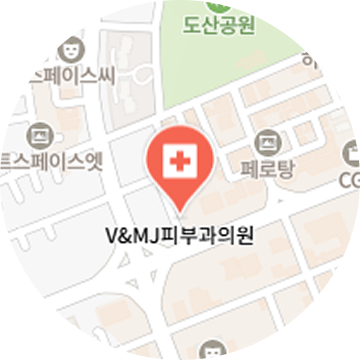
서울시 강남구 도산대로 303
오시는길
서울시 강남구 도산대로 303


Ultherapy in Apgujeong Without Cheek Hollowing: How Custom Vector Design Prevents Fat Loss
A short guide from V&MJ Dermatology Clinic on why sunken cheeks happen after Ultherapy, and what actually prevents it
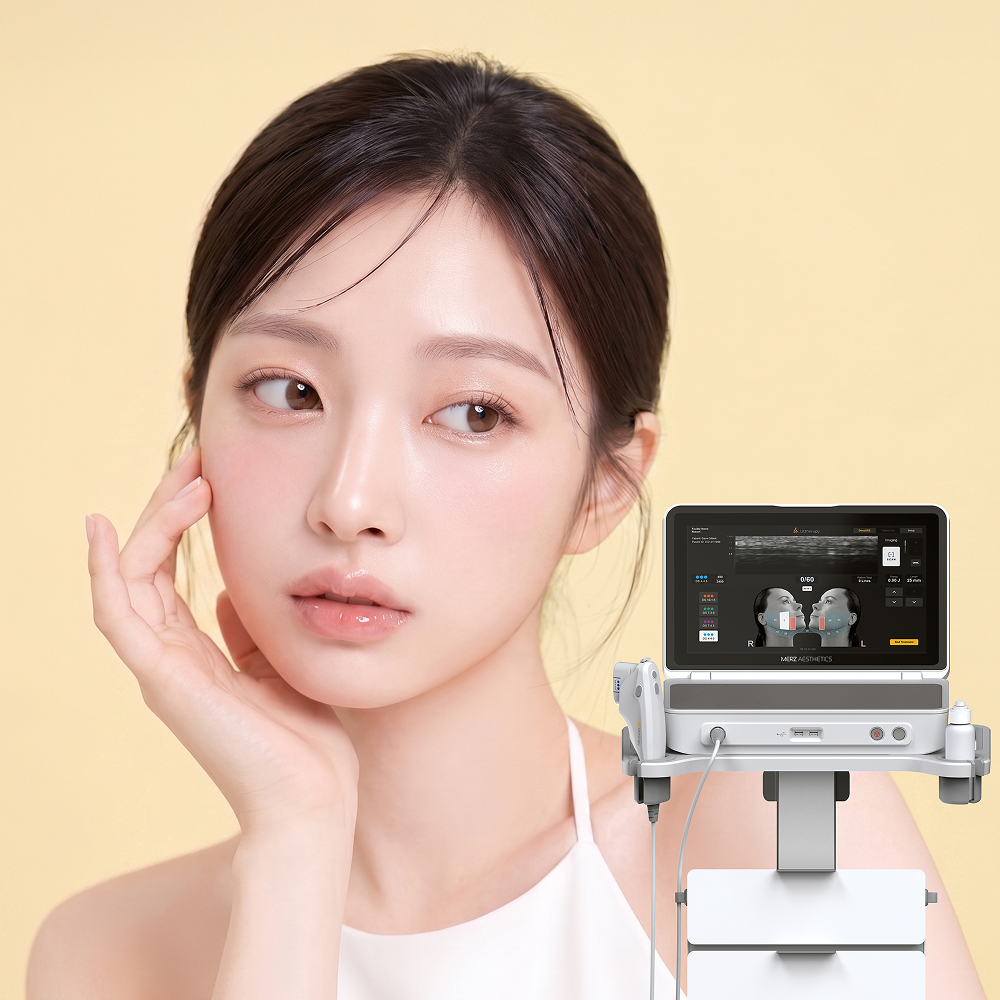

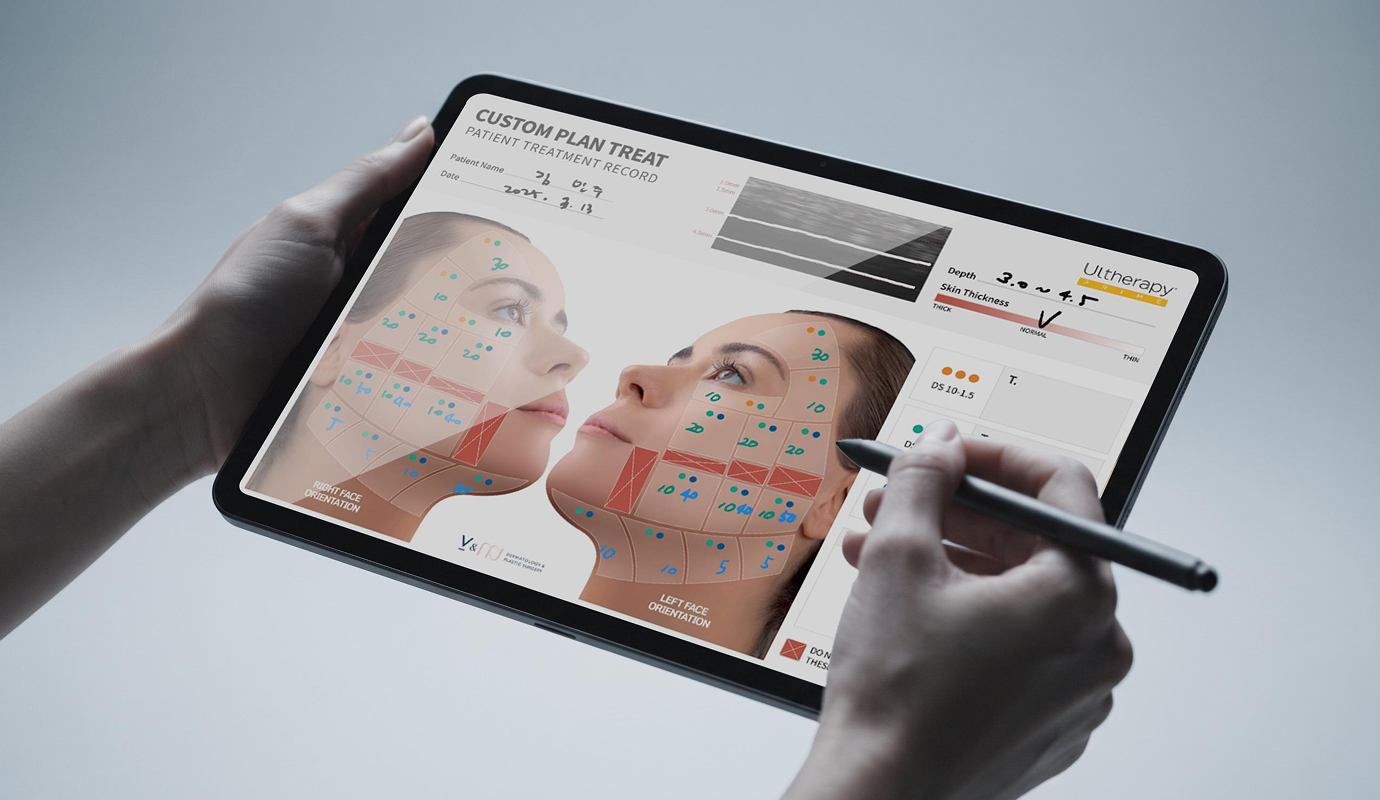
Why Cheek Hollowing Happens, and What Actually Prevents It
To summarize upfront, cheek hollowing after Ultherapy isn't caused by the technology itself — it's caused by applying the same shot count and energy pattern to a face where fat thickness actually varies a great deal from one zone to another. Areas like the mid-cheek and nasolabial fold naturally carry a thinner fat layer than the jawline or lower cheek, so a plan that fires the same tip size and shot density everywhere can end up concentrating energy in a spot that had little fat to begin with. Fat loss/hollowing prevention in practice comes down to treating each zone according to its own fat thickness rather than applying one uniform setting across the whole face.
That's the role of custom vector design — adjusting tip size, shot count, and depth zone by zone based on an individual skin and fat assessment. In one documented case at V&MJ, a patient concerned about hollowing was treated with a 4.5mm tip at 300 shots along the jawline, where fat is comparatively thicker, and a lighter 3.0mm tip at 100 shots along the nasolabial and central cheek area, where fat is naturally thinner — this is a single illustrative case, and actual vector plans vary by individual assessment. For anyone searching for Apgujeong Ultherapy without this specific risk, the real question to ask a clinic isn't "how many total shots" but "how is my plan adjusted by area."
Last updated: September 11, 2026
The Mechanism: Fat Thickness, Vector Direction, and Real-Time Imaging
Ultherapy works by delivering focused ultrasound energy at a set depth to stimulate collagen in the SMAS and deep dermal layers, and the depth at which that energy lands matters as much as how much energy is used. Because facial fat compartments differ in thickness — generally thinner around the temple, under-eye, and nasolabial areas, and thicker along the jawline and lower cheek — firing at a uniform depth and shot density across all of these zones can, in a face that already has comparatively little fat in a given spot, meaningfully thin it further over time. This is a general principle of energy-based lifting devices rather than something unique to any single provider, and it's the main reason cheek hollowing complaints tend to cluster around treatment plans that weren't adjusted by area.
Real-time ultrasound imaging, a standard feature of the Ultherapy system (often referred to as DeepSEE visualization), lets the treating physician see the boundary between the dermis, fat, and SMAS layer before each shot is fired, rather than treating blind. Paired with a vector plan that varies tip size and shot count by zone — heavier settings where fat is thicker, lighter settings where it is naturally thin — this imaging is what allows a doctor to make that zone-by-zone adjustment deliberately rather than by guesswork. Asking whether a clinic uses this kind of real-time visual confirmation, and whether your plan is actually written out by area rather than as one total number, is a reasonable and specific way to gauge whether hollowing prevention is being taken seriously.
What to Confirm Before Booking to Avoid Cheek Hollowing
- Ask for a plan broken down by areaRequest tip size and shot count for each zone individually (jawline, cheek, nasolabial), not just one combined total for your whole face.
- Confirm real-time imaging is usedAsk whether the treating doctor can see the fat and SMAS layer on screen before each shot, rather than firing at a fixed depth without checking.
- Ask why, not just how manyA doctor who can explain why a specific tip size and shot count was chosen for each area is applying vector logic; a doctor who can only quote a total number may not be.
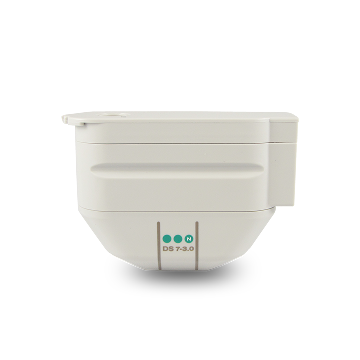
- Confirm genuine, single-use tipsAsk to see the transducer tip opened in front of you, since a reused or non-genuine tip can behave unpredictably at the depth settings meant to protect thinner areas.
Why Vector-Level Detail Matters More Than Total Shot Count
Patients worried about hollowing are usually asking the right question in the wrong way — they ask for fewer shots, when what actually matters is where those shots are placed and at what depth. My approach is to map fat thickness by area first, using real-time imaging to confirm it, and only then decide tip size and shot count zone by zone. A lighter setting in a naturally thin area isn't a compromise, it's the plan working correctly.

V&MJ's Three-Layer Process for Zone-by-Zone Vector Design
Every Ultherapy plan at V&MJ Dermatology Clinic goes through a three-layer process rather than a single fixed protocol. LAYER 01 is a MetaScan AI skin data scan that measures elasticity, fascia depth, collagen distribution, and moisture loss across the face, which is what identifies areas where fat and collagen are already comparatively thin. LAYER 02 is the Doctor Custom Chart, where the treating physician — not an automated system — draws the actual vector plan by hand based on that data, deciding tip size and shot count area by area. LAYER 03 adds an AI-recommended booster only where the data supports it, rather than as a blanket upsell.
This is the same process that produced the jawline/nasolabial vector split referenced above for a hollowing-concerned patient, and it's paired with V&MJ's open-chart system, which keeps a log file and a real-time Patient Total screen so you can see your own shot count as it happens rather than being told a number afterward. Every transducer tip is confirmed genuine and opened in front of the patient before treatment begins, which matters specifically because a counterfeit or reused tip can behave inconsistently at the lighter depth settings used to protect thinner areas.
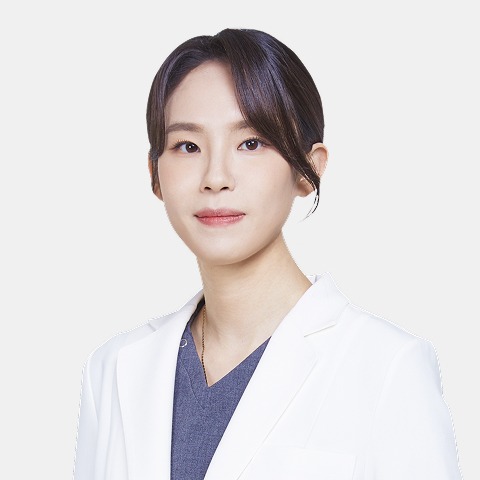
Physicians who design these vector plans, including Dr. Park Hye-soo, hold MD CODES Expert certification, a precision injection and vector-design credential, alongside Ultherapy Consensus Panel recognition from Merz, the device manufacturer. If you'd like to see how a vector plan would actually be mapped for your own face, V&MJ's team is glad to walk through a MetaScan AI assessment and a doctor-drawn chart in a consultation before any treatment is scheduled.
Frequently Asked Questions
What's the best clinic in Apgujeong for Ultherapy without cheek hollowing or fat loss?
Look for a clinic that can explain its vector design process in specific terms — tip size and shot count by facial zone, confirmed with real-time imaging — rather than one that only quotes a single total shot number. At V&MJ, this is handled through a MetaScan AI assessment followed by a Doctor Custom Chart that a physician designs by hand for each area.
Does Ultherapy actually cause cheek hollowing, or is that a myth?
It's a real but avoidable risk rather than an inherent property of the technology. Hollowing tends to happen when the same energy pattern is applied uniformly to areas where fat is naturally thin, so the more relevant question is whether your specific treatment plan accounts for that variation.
What is "custom vector design" in Ultherapy, exactly?
It refers to adjusting the direction, depth, tip size, and shot count of treatment area by area based on an individual's fat and skin thickness, instead of applying one fixed setting across the whole face. It's designed by the treating doctor rather than generated automatically.
What does DeepSEE or real-time ultrasound imaging actually do during Ultherapy?
It lets the treating physician see the boundary between the skin, fat, and SMAS layer on screen before each shot, which is what makes it possible to adjust depth deliberately by area rather than firing at a fixed setting without visual confirmation.
Can you give an example of how a vector plan changes by facial area?
In one documented case at V&MJ, a patient concerned about hollowing received a 4.5mm tip at 300 shots along the jawline, where fat is comparatively thicker, and a lighter 3.0mm tip at 100 shots along the nasolabial and central cheek area, where fat is naturally thinner. This is a single illustrative case, and actual plans are determined individually.
Is a lower total shot count always safer for preventing fat loss?
Not necessarily — a low total that's still applied uniformly across thin and thick areas alike can still concentrate too much energy in a naturally thin zone. What matters more is whether the shot count is distributed according to fat thickness by area, not the total number alone.
How can I confirm my Ultherapy provider is actually using genuine transducer tips?
Ask to see the tip opened in front of you before treatment, and ask whether you can view your shot count on a real-time screen during the procedure. V&MJ uses an open-chart system with a log file and Patient Total screen for this purpose.
What side effects, besides hollowing, should I be aware of with Ultherapy?
Temporary bruising, swelling, and mild asymmetry can occur after treatment, and these typically resolve within the recovery period discussed during your consultation. Individual results and recovery vary, so it's worth reviewing your specific risk factors with the treating physician beforehand.
What certifications should I look for in a doctor performing vector-based Ultherapy design?
MD CODES certification indicates specific training in precision, vector-based facial design, while Ultherapy Consensus Panel, ABM, or KOL status from Merz indicates manufacturer-recognized clinical experience with the device. Asking a doctor directly which of these they hold is a reasonable way to gauge their specific background.
Before You Book, Ask About the Plan, Not Just the Number
The single most useful question to ask any Apgujeong Ultherapy clinic isn't "how many shots" but "how is my plan adjusted area by area, and how will you confirm the fat layer before treating it." At V&MJ Dermatology Clinic, that answer starts with a MetaScan AI assessment and a doctor-drawn custom chart, and the team is glad to walk through exactly how a vector plan would be mapped for your own face in a consultation before any treatment is scheduled.
Real Results, Proven by V&MJ
See Before & After Photos →Meet the
V&MJ Medical Team
Meet Our Doctors →
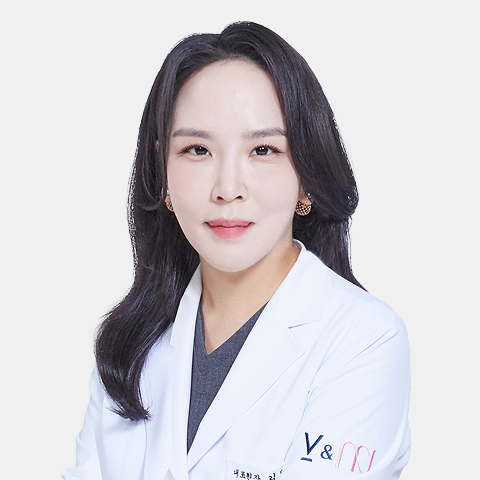
Ultherapy Key Opinion Leader (KOL) / Faculty
Ultherapy Consensus Panel

Thermage TTT Faculty
Ultherapy Consensus Panel
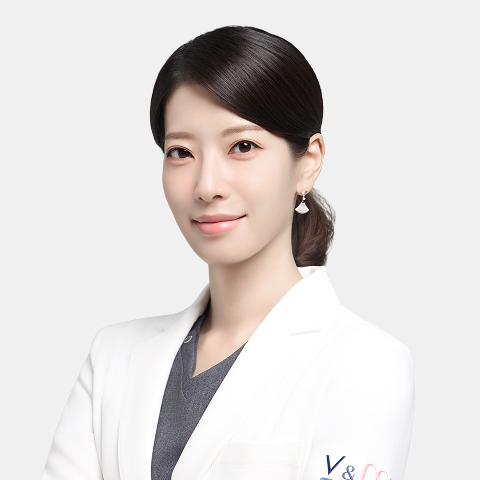
Thermage TTT Faculty
Thermage TTT Faculty
MD CODES Expert
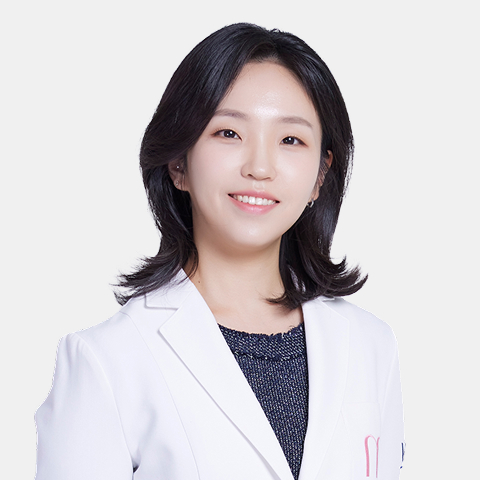
Thermage TTT Faculty
Thermage TTT Faculty

Thermage TTT Faculty

[Medical Advertising Legal Notice] This content has been prepared in compliance with medical advertising regulations under Article 56 of the Korean Medical Act. Treatment results and outcomes can vary based on individual skin condition, fat distribution, age, and lifestyle factors, and temporary bruising, swelling, or mild asymmetry may occur after treatment. The specific vector design example referenced in this content (jawline and nasolabial tip/shot combination) reflects one documented case and is illustrative only; it does not represent a guaranteed outcome or a fixed protocol applied to every patient. Physician credentials referenced in this content, including MD CODES and Merz ABM/KOL/Consensus Panel/Faculty recognition, are disclosed individually per doctor and do not imply that every physician at this clinic holds the same certification. References to case volume or manufacturer recognition in this content are based on information disclosed by the clinic and the device manufacturer, and do not indicate that this clinic is the best or highest-ranked provider in Korea. Please consult directly with the treating medical staff for full details on potential side effects, precautions, and confirmed pricing.
[ View ]
<개인정보 취급방침>
V&MJ피부과의원(이하 '본원')는 귀하의 개인정보보호를 매우 중요시하며, 『개인정보보호법』을 준수하고 있습니다.
본원은 개인정보 취급방침을 통하여 귀하께서 제공하시는 개인정보가 어떠한 용도와 방식으로 이용되고 있으며 개인정보 보호를 위해 어떠한 조치가 취해지고 있는지 알려드립니다. 개인정보 취급방침의 순서는 다음과 같습니다.
1. 수집하는 개인정보의 항목 및 수집방법
2. 개인정보의 수집 및 이용목적
3. 개인정보의 보유 및 이용기간
4. 개인정보의 파기절차 및 그 방법
5. 개인정보 제공 및 공유
6. 수집한 개인정보의 취급위탁
7. 이용자 및 법정대리인의 권리와 그 행사방법
8. 동의철회 / 회원탈퇴 방법
9. 개인정보 자동 수집 장치의 설치/운영 및 그 거부에 관한 사항
10. 개인정보관리책임자
11. 개인정보의 안전성 확보조치
12. 정책 변경에 따른 공지의무
1. 수집하는 개인정보의 항목 및 수집방법
본원은 회원가입 시 서비스 이용을 위해 필요한 최소한의 개인정보만을 수집합니다.
귀하가 본원의 서비스를 이용하기 위해서는 회원가입 시 필수항목과 선택항목이 있는데, 메일수신여부 등과 같은 선택 항목은 입력하지 않더라도 서비스 이용에는 제한이 없습니다.
ㄱ. [진료정보] - 수집항목 : 성명, 생년월일, 주소, 연락처, 진료기록
※ 의료법에 의해 고유식별 정보 및 진료정보를 의무적으로 보유하여야 하여야 함(별도 동의 불필요)
ㄴ. [홈페이지 회원가입 시 수집항목]
- 필수항목 : 성명, 아이디, 비밀번호, 주소, 연락처(전화번호, 휴대폰번호), 메일주소
- 선택항목 : 생일, 문자 수신 여부, 메일 수신 여부, 관심분야
- 서비스 이용 과정이나 서비스 제공 업무 처리 과정에서 다음과 같은 정보들이 자동으로 생성되어 수집될 수 있습니다. : 서비스 이용기록, 접속 로그, 쿠키, 접속 IP 정보
ㄷ. [개인정보 수집방법] - 다음과 같은 방법으로 개인정보를 수집합니다.
・ 홈페이지, 서면양식, 팩스, 전화, 상담 게시판, 이메일
2. 개인정보의 수집 및 이용목적
본원은 수집한 개인정보를 다음의 목적을 위해 활용합니다.
이용자가 제공한 모든 정보는 하기 목적에 필요한 용도 이외로는 사용되지 않으며 이용 목적이 변경될 시에는 사전 동의를 구할 것입니다.
ㄱ. [진료정보] - 진단 및 치료를 위한 진료서비스와 청구, 수납 및 환급 등의 원무서비스 제공
ㄴ. [홈페이지 회원정보]
- 필수정보 : 홈페이지를 통한 진료 예약, 예약조회 및 회원제 서비스 제공, 온라인 게시판(1:1상담/비공개상담/수술 후 상담/후기 등) 게시물 작성
- 선택정보 : 이메일을 통한 병원소식, 질병정보 등의 안내, 설문조사, 장애처리 및 개별 회원에 대한 개인 맞춤서비스, 서비스 이용에 대한 통계수집, 기타, 새로운 서비스 및 정보 안내 단, 이용자의 기본적 인권침해의 우려가 있는 민감한 개인정보는 수집하지 않습니다.
본원은 상기 범위 내에서 보다 풍부한 서비스를 제공하기 위해 이용자의 자의에 의한 추가정보를 수집합니다.
3. 개인정보의 보유 및 이용기간
본원은 개인정보의 수집목적 또는 제공받은 목적이 달성된 때에는 귀하의 개인정보를 지체 없이 파기합니다.
ㄱ. [진료정보] - 의료법에 명시된 진료기록 보관 기준에 준하여 보관
ㄴ. [홈페이지 회원정보]
- 회원가입을 탈퇴하거나 회원에서 제명된 때 다만, 수집목적 또는 제공받은 목적이 달성된 경우에도 상법 등 법령의 규정에 의하여 보존할 필요성이 있는 경우에는 귀하의 개인정보를 보유할 수 있습니다.
- 소비자의 불만 또는 분쟁처리에 관한 기록 : 3년 (전자상거래 등에서의 소비자보호에 관한 법률)
- 신용정보의 수집/처리 및 이용 등에 관한 기록 : 3년 (신용정보의 이용 및 보호에 관한 법률)
– 본인 확인에 관한 기록 : 6개월 (정보통신망 이용촉진 및 정보보호 등에 관한 법률)
– 방문에 관한 기록 : 3개월 (통신비밀보호법)
4. 개인정보의 파기절차 및 그 방법
본원은 『개인정보의 수집 및 이용목적』이 달성된 후에는 즉시 파기합니다. 파기절차 및 방법은 다음과 같습니다.
ㄱ. [파기절차] 이용자가 회원가입 등을 위해 입력한 정보는 목적이 달성된 후 파기방법에 의하여 즉시 파기합니다.
ㄴ. [파기방법] 전자적 파일형태로 저장된 개인정보는 기록을 재생할 수 없는 기술적 방법을 사용하여 삭제합니다.
종이에 출력된 개인정보는 분쇄기로 분쇄하거나 소각하여 파기합니다.
5. 개인정보 제공 및 공유
본원은 귀하의 동의가 있거나 관련법령의 규정에 의한 경우를 제외하고는 어떠한 경우에도 『개인정보의 수집 및 이용목적』에서 고지한 범위를 넘어 귀하의 개인정보를 이용하거나 타인 또는 타 기업ㆍ기관에 제공하지 않습니다.
- 국민건강보험법에 의해 건강보험심사평가원에 요양급여비용 청구를 위한 진료기록 제출
- 통계작성ㆍ학술연구를 위하여 필요한 경우 특정 개인을 알아볼 수 없는 형태로 가공하여 제공
- 법령에 정해진 절차와 방법에 따라 수사기관의 요구가 있는 경우 제출 등
6. 수집한 개인정보의 취급위탁
본원은 서비스 이행을 위해 아래와 같이 개인정보를 위탁하고 있으며, 관계 법령에 따라 위탁계약 시 개인정보가 안전하게 관리될 수 있도록 필요한 사항을 규정하고 있습니다.
본원의 개인정보 위탁처리 기관 및 위탁업무 내용은 아래와 같습니다.
수탁업체 : 유어데브
위탁업무 내용 : 홈페이지 유지 관리, 접속기록, 관리, 회원관리
위탁 개인정보 항목 : 이름, 주소, 전화번호
개인정보 보유 및 이용기간: 위탁계약 종료 시까지
7. 이용자 및 법정대리인의 권리와 그 행사방법
만14세 미만 아동(이하 "아동"이라 함)의 회원가입은 아동이 이해하기 쉬운 평이한 표현으로 작성된 별도의 양식을 통해 이루어지고 있으며 개인정보 수집 시 반드시 법정대리인의 동의를 구하고 있습니다.
본원은 법정대리인의 동의를 받기 위하여 아동으로부터 법정대리인의 성명과 연락처 등 최소한의 정보를 수집하고 있으며, 개인정보취급방침에서 규정하고 있는 방법에 따라 법정대리인의 동의를 받고 있습니다.
아동의 법정대리인은 아동의 개인정보에 대한 열람, 정정 및 삭제를 요청할 수 있습니다. 아동의 개인정보를 열람•정정, 삭제하고자 할 경우에는 회원정보수정을 클릭하여 법정대리인 확인 절차를 거치신 후 아동의 개인정보를 법정대리인이 직접 열람•정정, 삭제하거나, 개인정보보호책임자로 서면, 전화, 또는 Fax등으로 연락하시면 필요한 조치를 취합니다.
본원은 아동에 관한 정보를 제3자에게 제공하거나 공유하지 않으며, 아동으로부터 수집한 개인정보에 대하여 법정대리인이 오류의 정정을 요구하는 경우 그 오류를 정정할 때까지 해당 개인정보의 이용 및 제공을 금지합니다.
※ 법에 의해 보관이 의무화된 개인정보는 요청이 있더라도 보관기간내에 수정•삭제할 수 없습니다.
8. 동의철회 / 회원탈퇴 방법
귀하는 회원가입 시 개인정보의 수집ㆍ이용 및 제공에 대해 동의하신 내용을 언제든지 철회하실 수 있습니다. 회원탈퇴는 본원 홈페이지 마이페이지의 『회원탈퇴』를 클릭하여 직접 회원탈퇴를 신청하시면 개인정보관리책임자가 탈퇴신청을 확인하여 신청일 기준 10일이내 탈퇴가 완료됩니다. 또는 개인정보관리책임자로 서면, 전화 또는 Fax 등으로 연락하시면 지체 없이 귀하의 개인정보를 파기하는 등 필요한 조치를 하겠습니다.
9. 개인정보 자동 수집 장치의 설치/운영 및 그 거부에 관한 사항
본원은 귀하의 정보를 수시로 저장하고 찾아내는 '쿠키(cookie)'를 운용합니다. 쿠키란 본원의 웹사이트를 운영하는데 이용되는 서버가 귀하의 브라우저에 보내는 아주 작은 텍스트 파일로서 귀하의 컴퓨터 하드디스크에 저장됩니다. 본원은 다음과 같은 목적을 위해 쿠키를 사용합니다. 귀하는 쿠키 설치에 대한 선택권을 가지고 있습니다. 따라서, 귀하는 웹 브라우저에서 옵션을 설정함으로써 모든 쿠키를 허용하거나, 쿠키가 저장될 때마다 확인을 거치거나, 아니면 모든 쿠키의 저장을 거부할 수도 있습니다. 회원님께서 쿠키 설치를 거부하셨을 경우 일부 서비스 제공에 어려움이 있습니다.
10. 개인정보관리책임자
귀하의 개인정보를 보호하고 개인정보와 관련한 불만을 처리하기 위하여 본원은 아래와 같이 개인정보관리책임자를 두고 있습니다.
성 명 : 김민주
직위 : 대표원장
소 속 : V&MJ피부과성형외과의원
연락처 : 02-540-8300
귀하께서는 본원의 서비스를 이용하시며 발생하는 모든 개인정보보호 관련 민원을 개인정보관리책임자로 신고하실 수 있습니다.
본원은 이용자들의 신고사항에 대해 신속하게 충분한 답변을 드릴 것입니다.
기타 개인정보침해에 대한 신고나 상담이 필요하신 경우에는 아래 기관에 문의하시기 바랍니다.
・ 개인분쟁조정위원회 (http://www.1336.or.kr / 1336)
・ 정보보호마크인증위원회 (http://www.eprivacy.or.kr / (02) 580-0533~4)
・ 대검찰청 사이버범죄수사단 (http://www.spo.go.kr / (02) 3480-3573)
・ 경찰청 사이버테러대응센터( http://www.ctrc.go.kr / (02) 392-0330)
11. 개인정보의 안전성 확보조치
본원은 이용자들의 개인정보를 취급함에 있어 개인정보가 분실, 도난, 누출, 변조 또는 훼손되지 않도록 안전성 확보를 위하여 다음과 같은 기술적/관리적 대책을 강구하고 있습니다.
ㄱ. [비밀번호 암호화] 사이트 가입 시 설정한 비밀번호는 암호화되어 저장 및 관리되고 있어 본인만이 알고 있으며, 개인정보의 확인 및 변경도 비밀번호를 알고 있는 본인에 의해서만 가능합니다. 다만 회원 본인이 이용상의 어려움 등으로 개인정보보호책임자에게 직접 변경을 요청하는 경우 서면, 전화, 팩스, 이메일 등을 통해 본인 확인 후 정보 변경이 가능합니다.
ㄴ. [해킹 등에 대비한 대책] 본원은 해킹이나 컴퓨터 바이러스 등에 의해 회원의 개인정보가 유출되거나 훼손되는 것을 막기 위해 최선을 다하고 있습니다.
개인정보의 훼손에 대비해서 자료를 수시로 백업하고 있고, 최신 백신프로그램을 이용하여 이용자들의 개인정보나 자료가 누출되거나 손상되지 않도록 방지하고 있으며, 이용자의 중요 개인정보(주민등록번호 등)를 암호화 저장하고, 암호화 통신을 통하여 네트워크상에서 개인정보를 안전하게 전송할 수 있도록 하고 있습니다. 그리고 침입차단시스템을 이용하여 외부로부터의 무단접근을 통제하고 있으며, 기타 시스템적으로 보안성을 확보하기 위해 가능한 모든 기술적 장치를 갖추려 노력하고 있습니다.
ㄷ. [개인정보 취급 직원의 최소화 및 교육] 본원의 개인정보관련 취급 직원은 담당자에 한정시키고 있으며, 이를 위한 별도의 비밀번호를 부여하여 정기적으로 갱신하고 있으며, 담당자에 대한 정기/수시 교육을 수행하고 있습니다.
단, 이용자 본인의 부주의나 인터넷상의 문제로 전화번호, 비밀번호, 주민등록번호 등 개인정보가 유출되어 발생한 문제에 대해서는 본원은 일체의 책임을 지지 않습니다.
12. 정책 변경에 따른 공지의무
이 개인정보취급방침은 아래에 명시된 날짜에 수정되었으며 법령ㆍ정책 또는 보안기술의 변경에 따라 내용의 추가ㆍ삭제 및 수정이 있을 시에는 변경되는 개인정보취급방침을 시행하기 최소 7일전에 본원 홈페이지를 통해 변경이유 및 내용 등을 공지하도록 하겠습니다.
・ 시행일자 : 2020년 4월 1일